
ANET-POLENET
Supporting one of Antarctica’s largest geophysical monitoring networks
Supporting one of Antarctica’s largest geophysical monitoring networks
Antarctic Logistics & Expeditions (ALE) has long supported scientific research in Antarctica by providing the logistics, aviation, and field infrastructure needed to operate in some of the continent’s most remote environments. One of the strongest examples of that commitment is ALE’s support of the Antarctic Network (ANET) and Polar Earth Observing Network (POLENET), an international geophysical research program that operates one of the most extensive networks of seismic and GPS monitoring stations in Antarctica. Since 2014, ALE has helped researchers access, service, and maintain remote monitoring sites across the continent, enabling the long-term observations that underpin critical research into ice-sheet change, tectonic activity, geodesy, and sea-level rise.
Led by researchers and supported by an international coalition of scientific institutions, ANET-POLENET collects critical data that helps scientists understand how Antarctica is changing and how those changes affect the Earth as a whole.
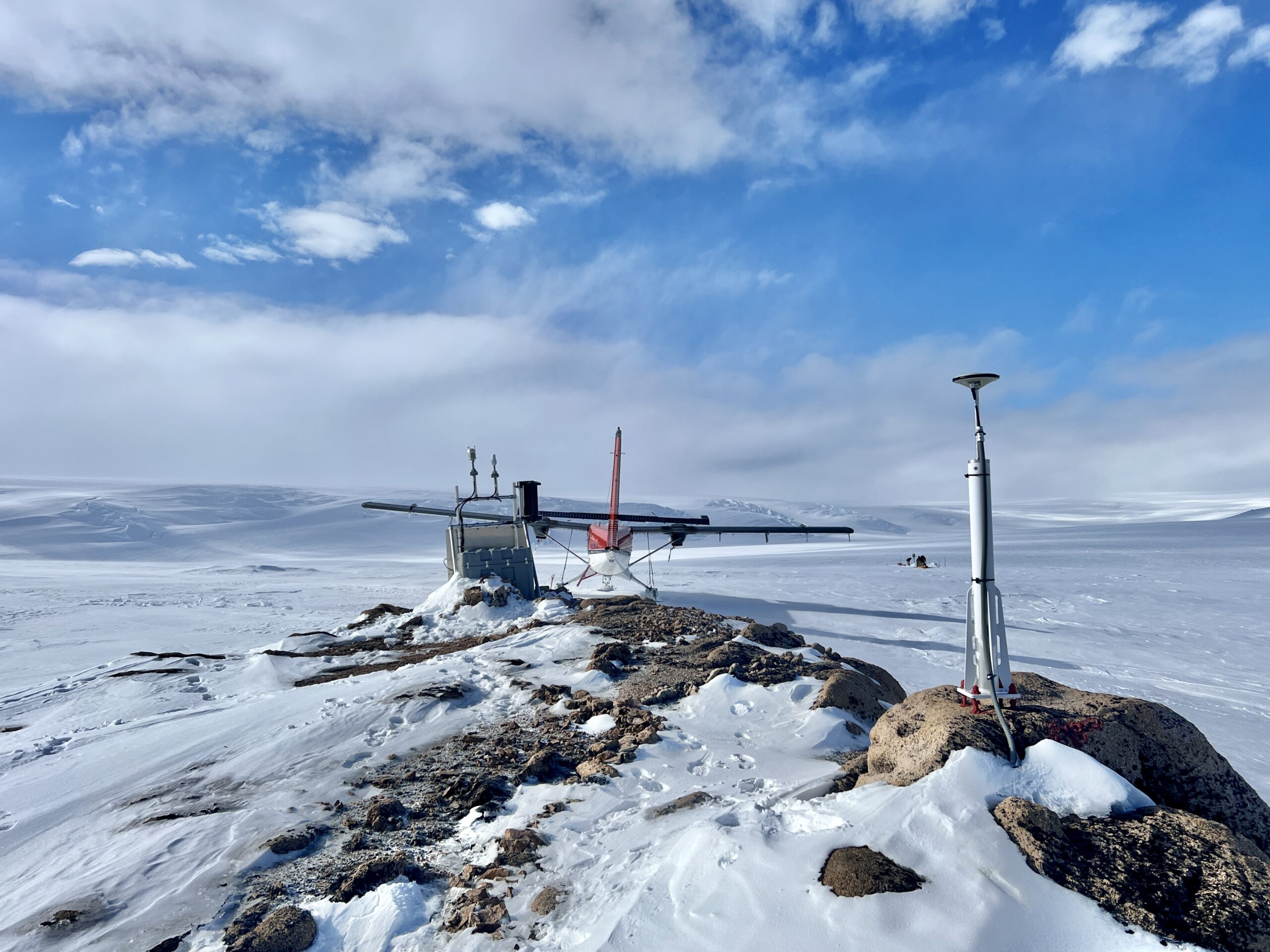
Antarctica is one of the least accessible regions on Earth. Yet understanding what is happening beneath its ice sheet is essential for predicting future sea-level rise, monitoring changes in the cryosphere, and revealing how the continent’s crust and tectonic plates respond to ongoing environmental change.
To accomplish this, scientists must maintain a distributed network of GPS and seismic stations across thousands of miles of remote terrain. Operating such a network presents extraordinary logistical challenges. Many stations are located hundreds of miles from permanent infrastructure and can only be reached by ski-equipped aircraft. Equipment must survive years of extreme cold, high winds, and prolonged darkness while continuing to collect data with minimal maintenance.
Keeping the network operational requires annual field campaigns capable of transporting personnel, fuel, scientific equipment, and replacement systems into some of the most isolated environments on the planet.
ANET-POLENET was established to create a comprehensive geophysical observing network across Antarctica.
POLENET is an international collaboration involving researchers and institutions from multiple countries working together to improve understanding of the Antarctic ice sheet and the solid Earth systems beneath it.
Using a continent-wide array of GPS receivers and seismic instruments, researchers gather long-term observations that allow them to:
The network’s scientific value comes from continuity. Unlike short-term field experiments, ANET-POLENET relies on maintaining observations at the same locations over many years, creating datasets that reveal long-term trends and changes that would otherwise remain invisible.
Recent field seasons have included servicing existing stations, recovering aging equipment, deploying new instrumentation, upgrading communications systems, and maintaining data continuity at dozens of remote sites across West Antarctica.
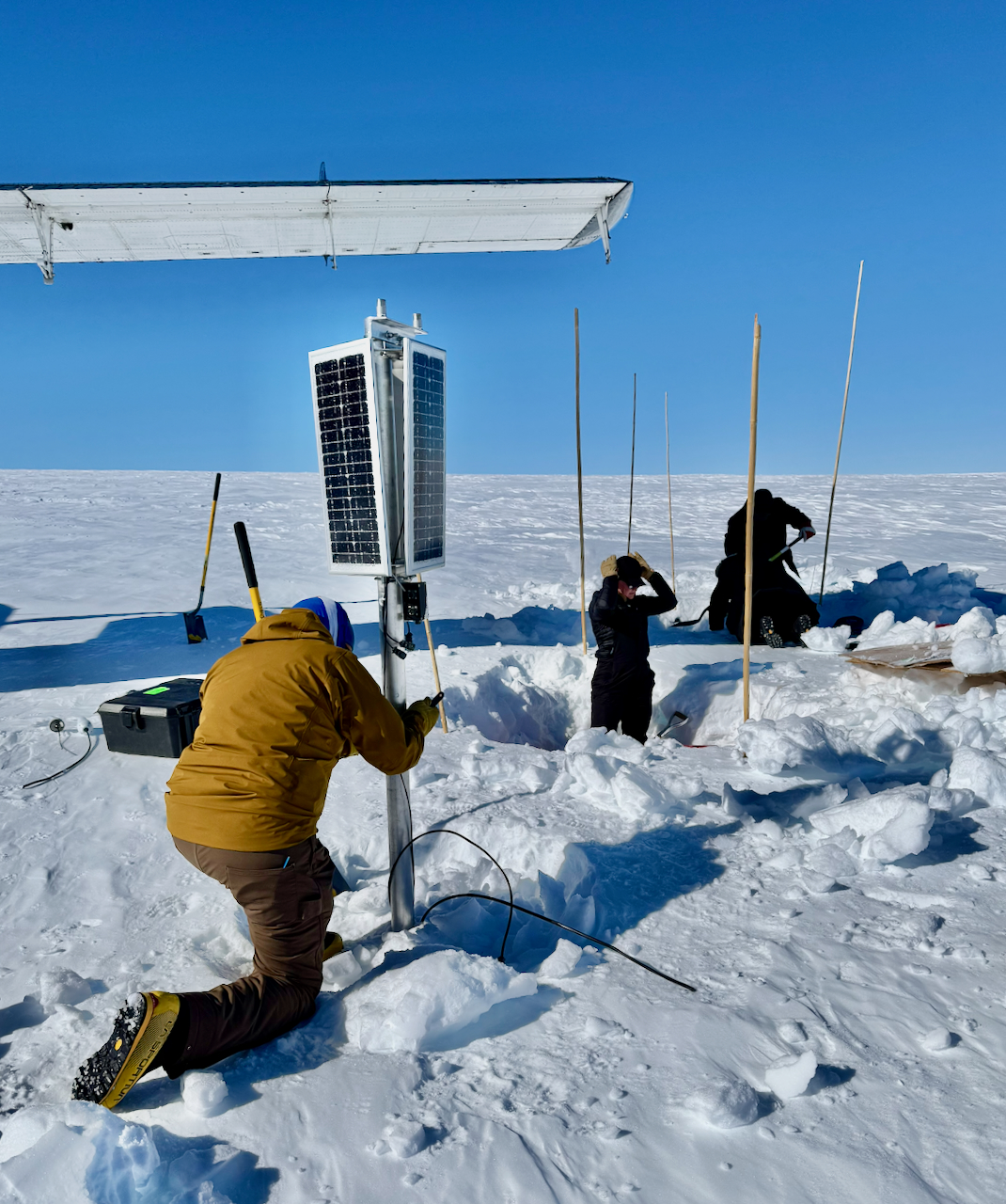
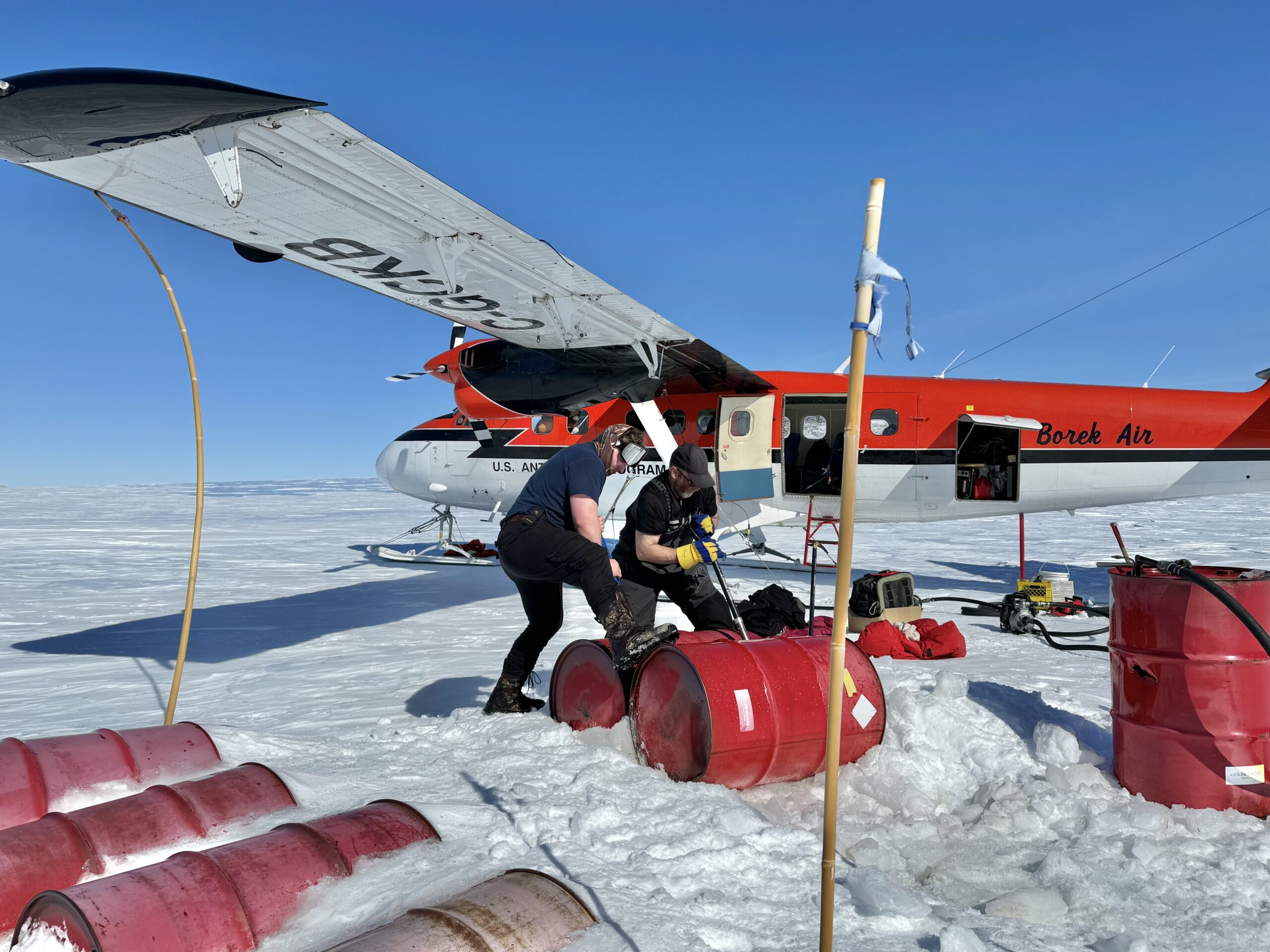
For nearly two decades, ALE has served as a critical logistics partner for ANET-POLENET operations.
The project requires a level of flexibility and remote-field capability that few organizations can provide. Working from Union Glacier, ALE supports annual field campaigns that enable researchers to access and maintain stations spread across vast areas of Antarctica.
ALE has provided:

The ANET-POLENET network provides some of the most important long-term observations available for understanding Antarctic change.
Data from the network helps scientists quantify how ice loss affects the Earth’s crust, improve projections of future sea-level rise, and refine models of ice-sheet behavior under changing climate conditions.
These observations contribute directly to international research efforts focused on understanding the future of Antarctica and its role within the global climate system.

ANET-POLENET data is openly available to researchers worldwide and supports a broad range of investigations beyond the original objectives of the network.
The measurements collected by the network are used by scientists studying:
As a result, the project has become a foundational scientific resource supporting hundreds of research studies and international collaborations.

Many Antarctic projects operate for only a few seasons. ANET-POLENET demonstrates the value of sustained, long-term observations.
By maintaining instruments in the field year after year, scientists can observe slow-moving processes that are impossible to detect during shorter campaigns, creating a clearer picture of how Antarctica is evolving over time.
The success of ANET-POLENET demonstrates what can be achieved when long-term scientific vision is paired with reliable Antarctic logistics.
For more than two decades, ALE has helped researchers overcome the challenges of working in one of the world’s most demanding environments, allowing an internationally significant scientific network to continue collecting critical observations year after year.
As Antarctic research increasingly focuses on understanding climate-driven change, long-term observing systems like ANET-POLENET will become even more important. ALE remains committed to providing the aviation, logistics, infrastructure, and field expertise necessary to support these efforts and enable the next generation of Antarctic discoveries.
Whether your research requires aircraft support, field camps, deep-field logistics, fuel caching, remote instrumentation deployment, or long-term monitoring operations, ALE can help turn ambitious science into reality.
Get Exclusive Expedition Insights & Resources