
Criosfera
I & II
Supporting the Brazilian Antarctic Program’s climate science in the deep interior of Antarctica
Supporting the Brazilian Antarctic Program’s climate science in the deep interior of Antarctica
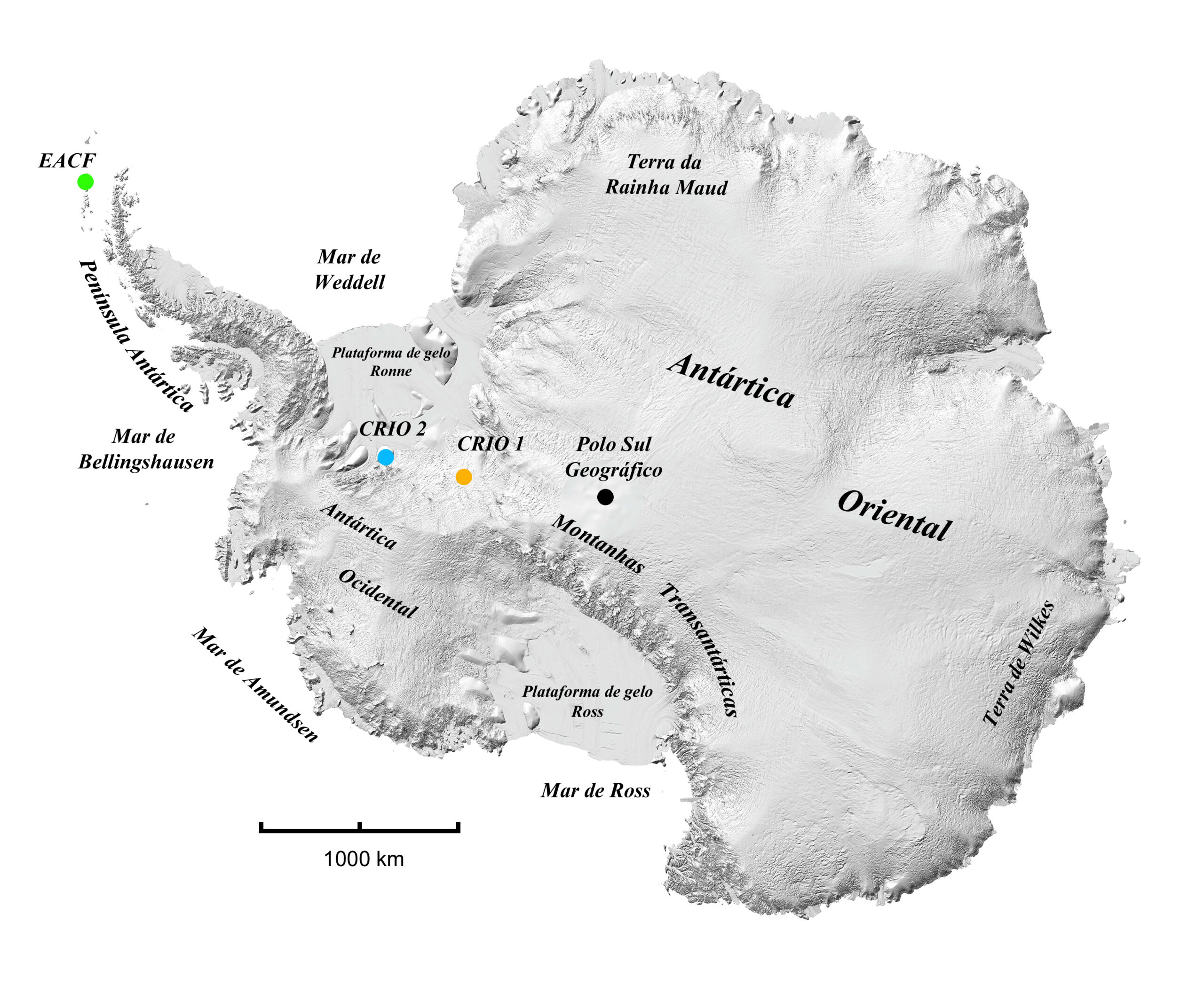
The Brazilian Antarctic Program established Criosfera I, an initiative of the Brazilian National Institute for Cryospheric Sciences (INCT da Criosfera), to better understand climate and atmospheric connections between Antarctica and South America. One of the few year-round atmospheric monitoring stations located in the interior of Antarctica, Criosfera I is situated at approximately 84°S, more than 400 km from Union Glacier and nearly 700 km from the South Pole. The station continuously collects meteorological and atmospheric chemistry data in one of the harshest environments on Earth.
Following the success of Criosfera I, Brazil expanded its scientific presence in Antarctica through the installation of Criosfera II on Skytrain Ice Rise during the 2022–23 season. Like its predecessor, the new station is a self-sustaining laboratory powered by renewable energy and designed to operate year-round without permanent human presence.
For more than a decade, Antarctic Logistics & Expeditions (ALE) has partnered with Brazilian scientists to provide the specialized air, ground, field, and logistical support required to establish and maintain these remote scientific assets.
Deploying and maintaining autonomous research stations deep within Antarctica presents extraordinary logistical challenges:
Success required a logistics partner with extensive experience operating both aircraft and overland traverse systems in Antarctica.
ALE first supported Brazilian Antarctic science projects in 2009, transporting researchers to Mount Johns for ice-core drilling and atmospheric studies. Building on this relationship, ALE played a critical role in establishing Criosfera I.
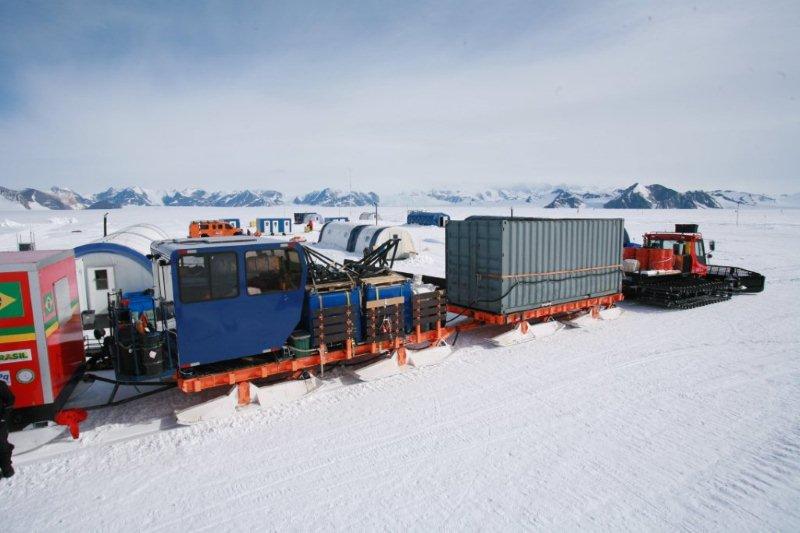
In 2014, ALE transported the original Criosfera module to Antarctica aboard an Ilyushin IL-76 aircraft and delivered it to Union Glacier. The module was then moved approximately 472 kilometers (255 nautical miles) inland by tractor traverse to its permanent location on the West Antarctic Ice Sheet. Later, ALE supported a 1,200-kilometer traverse across the West Antarctic Ice Sheet. The scientific team collected snow and ice samples while expanding Brazilian climate research into previously unstudied areas. ALE’s travel safety specialists assisted with route planning, hazard assessments, and field support throughout the mission.
One of the traverse objectives was to identify a suitable location for a future second atmospheric monitoring station. The work completed during this expedition laid the foundation for the later installation of Criosfera II.
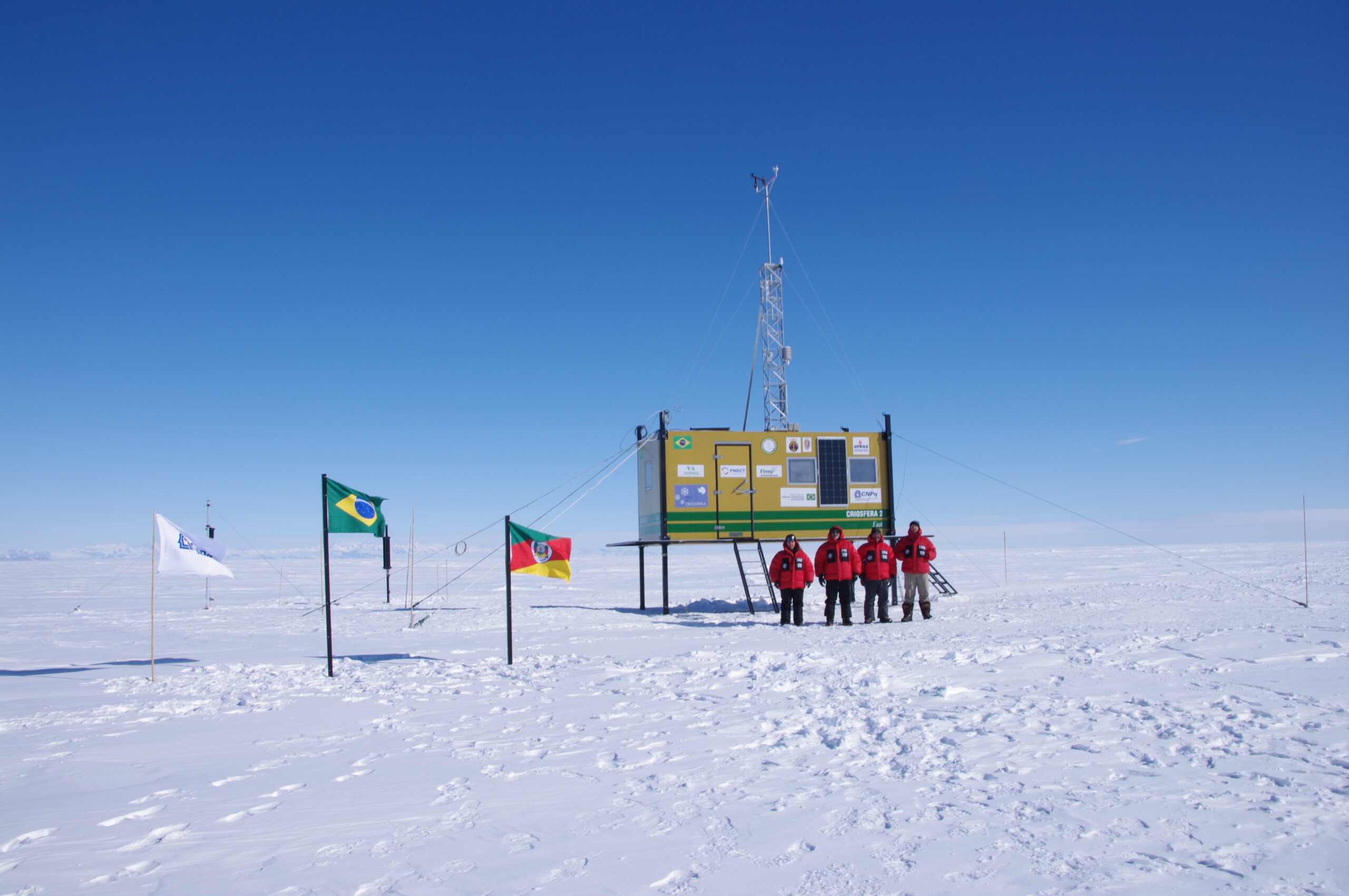
In 2022, ALE again partnered with the Brazilian scientific community to deploy a new autonomous research laboratory at Skytrain Ice Rise.
The Criosfera II module was transported from South America to Punta Arenas, flown to Union Glacier, and then moved more than 80 kilometers (50 miles) overland by ALE traverse equipment to its final location. ALE also assisted with site selection, transportation planning, and installation support.
Like its predecessor, Criosfera II operates year-round using renewable wind and solar power while collecting atmospheric and meteorological data that contribute to climate and weather forecasting research.
In 2022–23, Criosfera I gained international attention when actor and producer Will Smith visited the station while filming the National Geographic documentary series Pole to Pole with Will Smith. During the expedition, Smith traveled to the remote Antarctic interior to experience firsthand the scientific work being conducted at one of Brazil’s most important climate-monitoring facilities.
Working alongside researchers from UERJ, INPE, and INMET, Smith observed maintenance activities at the autonomous station and participated in field operations, including work associated with the module’s wind-energy and atmospheric monitoring systems. The visit highlighted both the scientific significance of Criosfera I and the extraordinary logistical effort required to access and sustain research in one of the most isolated locations on Earth.
For ALE, the visit represented another example of how the company’s aviation, field-support, and remote-access capabilities enable not only groundbreaking science, but also global awareness of Antarctic research. Through the documentary, millions of viewers were introduced to the challenges of operating in Antarctica and to the critical climate science being conducted by Brazilian researchers deep in the continent’s interior.

Criosfera I and Criosfera II provide critical long-term datasets supporting climate and atmospheric research.
Scientists use these observations to improve weather and climate forecasting models, investigate long-range transport of pollutants, study Antarctic-South American atmospheric connections, and better understand climate variability affecting South America
Additional Resources:
As climate change continues to influence weather patterns, ice-sheet dynamics, and atmospheric processes around the globe, long-term observations from Antarctica are becoming increasingly important. Criosfera I and Criosfera II provide scientists with critical datasets from some of the most remote and scientifically valuable regions of the continent, helping researchers better understand the connections between Antarctica, South America, and the global climate system.
Whether supporting autonomous research stations, scientific traverses, remote field camps, or complex aviation and overland logistics operations, ALE continues to help make ambitious polar science possible. If your organization is planning research, exploration, or field operations in Antarctica, contact ALE to learn how our experienced team can help bring your project from concept to reality.
Get Exclusive Expedition Insights & Resources