GLASS Project
Enabling breakthrough Antarctic science with Caltech, NASA JPL, and ALE
Enabling breakthrough Antarctic science with Caltech, NASA JPL, and ALE
Antarctic Logistics & Expeditions (ALE) has spent nearly four decades making the impossible possible in Antarctica. As the continent’s most experienced private logistics operator, ALE supports everything from private expeditions and remote field experiences to some of the world’s most ambitious scientific research programs.
During the 2025/26 Antarctic season, ALE partnered with the California Institute of Technology (Caltech) and NASA’s Jet Propulsion Laboratory (JPL) on the groundbreaking GLASS Project (Grounding Zone Long-term Acoustic Sensing of Structure)—a first-of-its-kind research initiative designed to reveal how Antarctica’s ice shelves move and change over time.
More than a logistics provider, ALE played a critical role in the project’s development, collaborating to develop a scientific proposal alongside a world-class research institution. Together, the team successfully deployed cutting-edge technology in one of the most remote environments on Earth, helping scientists better understand climate-driven ice loss while testing techniques that one day will be used on the Moon and beyond.
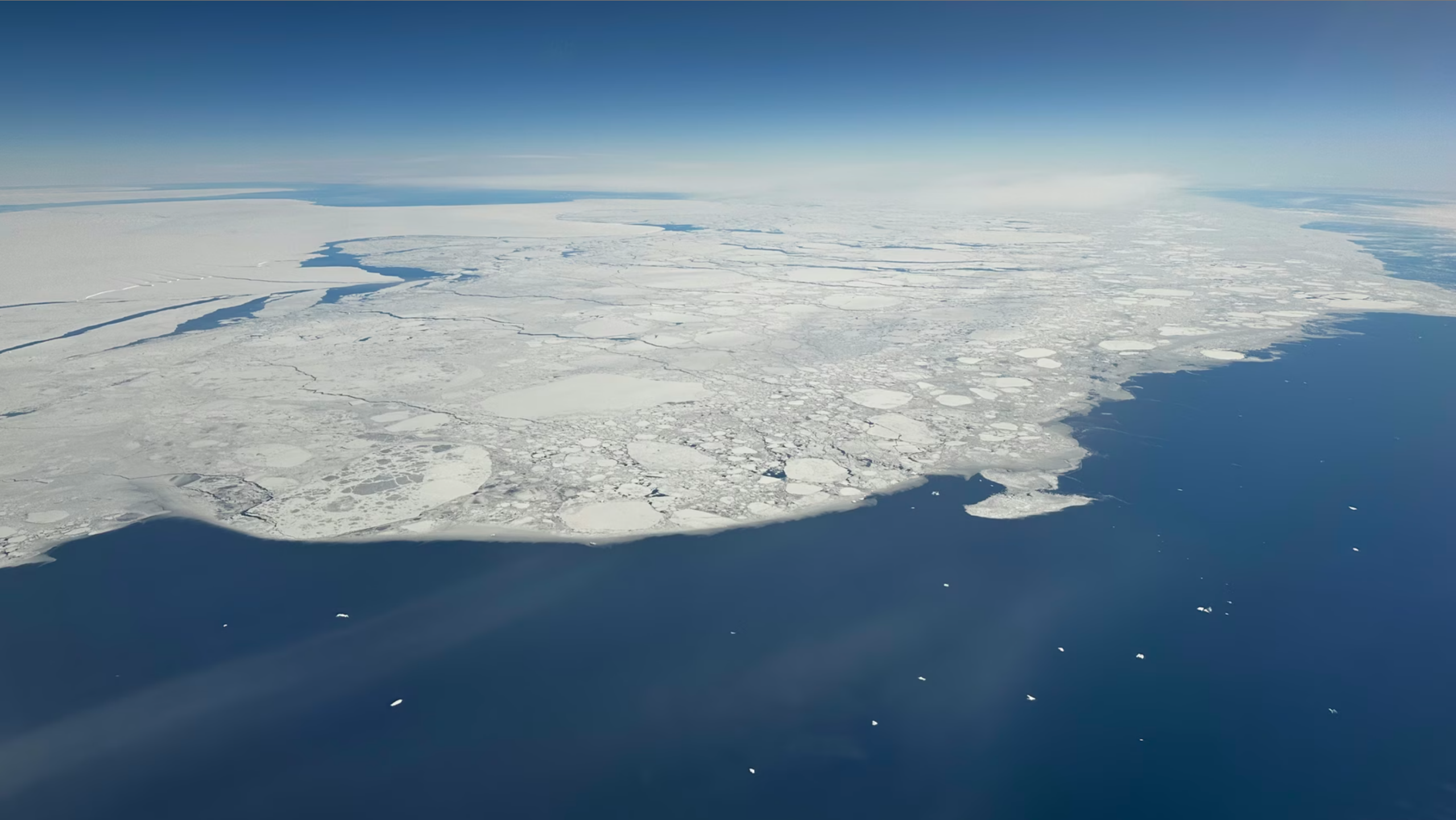
West Antarctica is one of the most important regions on Earth for understanding climate change and future sea level rise. Yet despite decades of scientific interest, much of the continent’s subsurface structure remains poorly understood due to the challenges of operating in such an extreme environment.
Scientists needed a way to observe how Antarctica’s grounding zones—the areas where floating ice shelves meet the continental ice sheet—respond to warming ocean water. These regions play a critical role in ice sheet stability and are key to predicting future changes in global sea levels.
Conducting this research required advanced technology, field infrastructure, transportation, safety systems, and logistics capabilities that only a organizations in the world could provide.
The Grounding Zone Long-term Acoustic Sensing of Structure (GLASS) Project was led by Professor Zhongwen Zhan of Caltech and Joel Steinkraus of NASA JPL, with funding from Caltech’s Brinson Exploration Hub.
The project deployed more than 8 kilometers of fiber-optic cable across Constellation Inlet in West Antarctica. Using a technique called Distributed Acoustic Sensing (DAS), scientists transformed the cable into a massive sensor capable of detecting tiny vibrations and movements within the ice.
The goal was ambitious: create the first detailed, time-based picture of how Antarctic ice structures evolve and move.
The team also completed:
The technologies tested in Antarctica may ultimately support future exploration of the Moon and other planetary bodies by enabling scientists to study subsurface geology in remote environments.
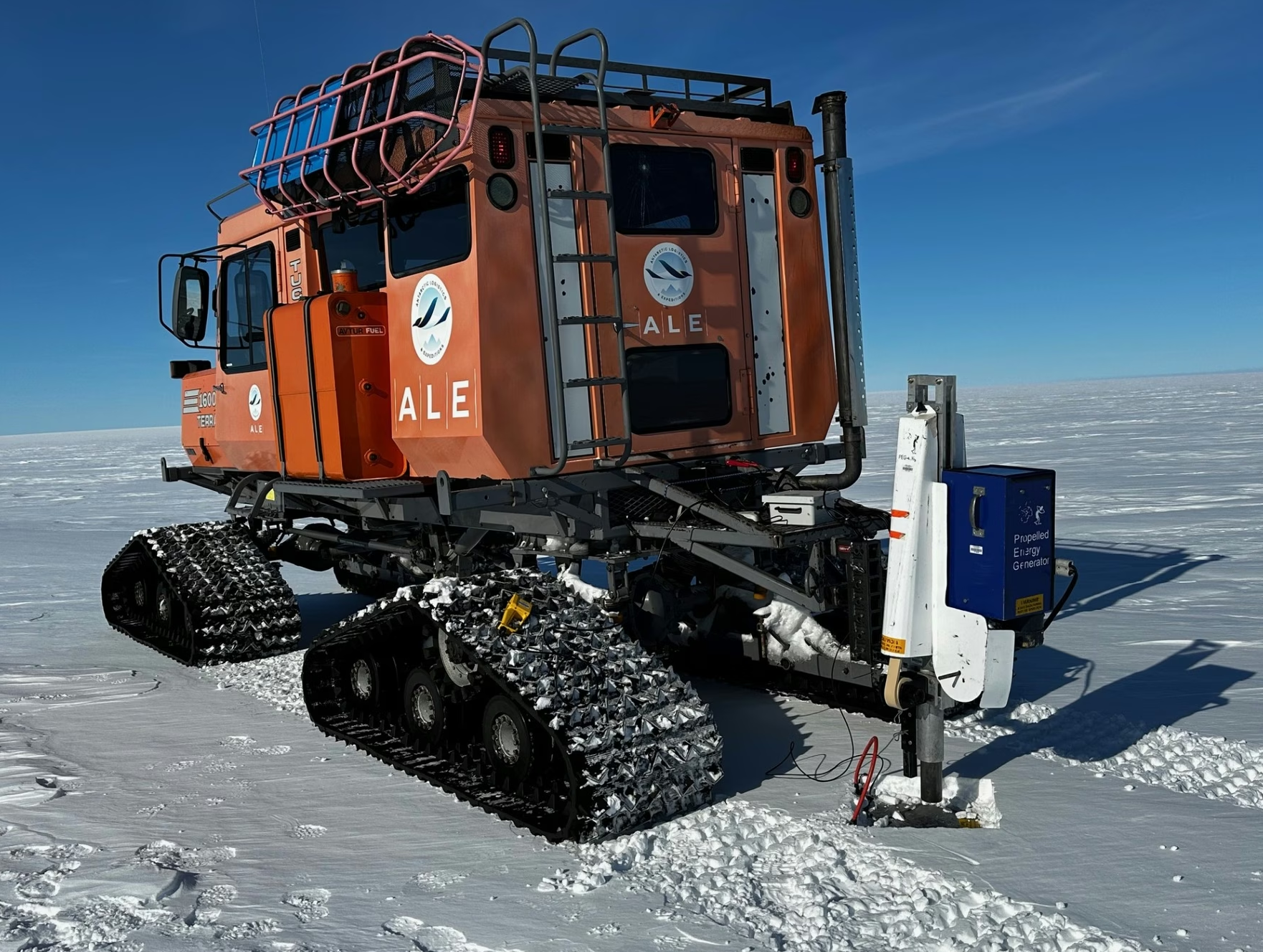
While ALE has supported scientific discovery in Antarctica for decades, the GLASS Project marked a significant milestone: the first time ALE partnered with a scientific institution to help develop and shape a research proposal from the outset.
ALE supported the project from concept through field execution, providing the expertise, infrastructure, and operational leadership needed to make the mission successful.
From Union Glacier to the remote Constellation Inlet field site, ALE ensured researchers could focus on science while operating safely and efficiently in one of the world’s harshest environments.

The GLASS Project is helping researchers better understand how warming oceans affect Antarctic ice shelves and contribute to global sea level rise.
Long-term monitoring of the Antarctic cryosphere is critical for improving climate models and predicting future environmental change. By providing an unprecedented view of grounding-line dynamics, GLASS offers valuable data that will be studied for years to come.

The project also demonstrates Antarctica’s value as a testing ground for next-generation exploration technologies.
The successful deployment of distributed acoustic sensing systems in Antarctica creates opportunities for future applications in:
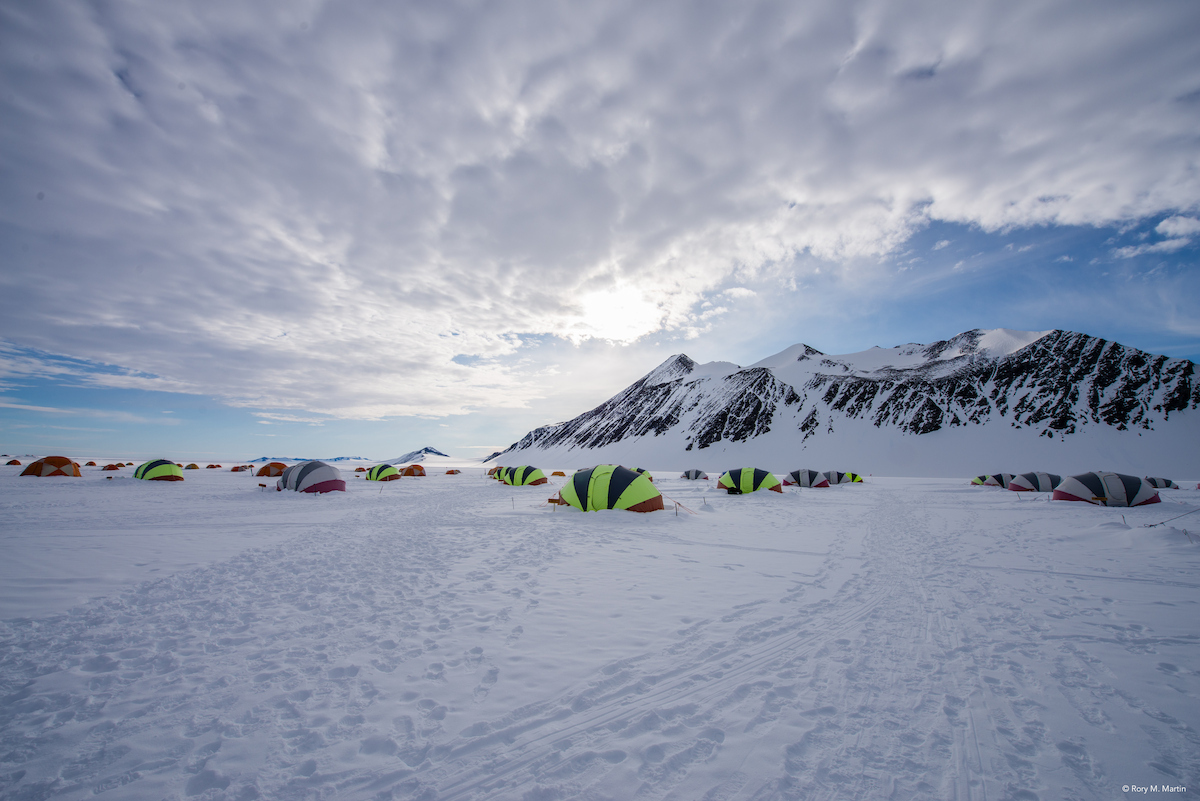
Projects like GLASS show how flexible logistics can help researchers reach Antarctica more efficiently.
ALE supports every stage of the process, including permitting, expedition planning, aviation, and field operations, helping teams navigate complex requirements while maximizing research resources. Through specialized expertise and streamlined execution, ALE enables scientists to focus on discovery rather than logistics.
Additional Resources:
The success of GLASS demonstrates what is possible when world-class researchers and world-class logistics operators collaborate from the earliest stages of project development.
As scientific interest in Antarctica continues to grow, ALE remains committed to supporting groundbreaking research, developing innovative field solutions, and enabling discoveries that advance our understanding of Earth’s most remote continent—and potentially other worlds beyond it.
With additional scientific projects already under consideration for future seasons, the GLASS Project represents not just a milestone in Antarctic research, but a model for how interdisciplinary partnerships can accelerate discovery in extreme environments.
Planning your own science project in Antarctica? Contact us and see if ALE is the right logistics partner for you.
Get Exclusive Expedition Insights & Resources