Visitor Guidelines
Our guests play a crucial role in helping us care for the Antarctic environment. Visitor Guidelines provide practical steps to help each traveler minimize their impact.
Our guests play a crucial role in helping us care for the Antarctic environment. Visitor Guidelines provide practical steps to help each traveler minimize their impact.
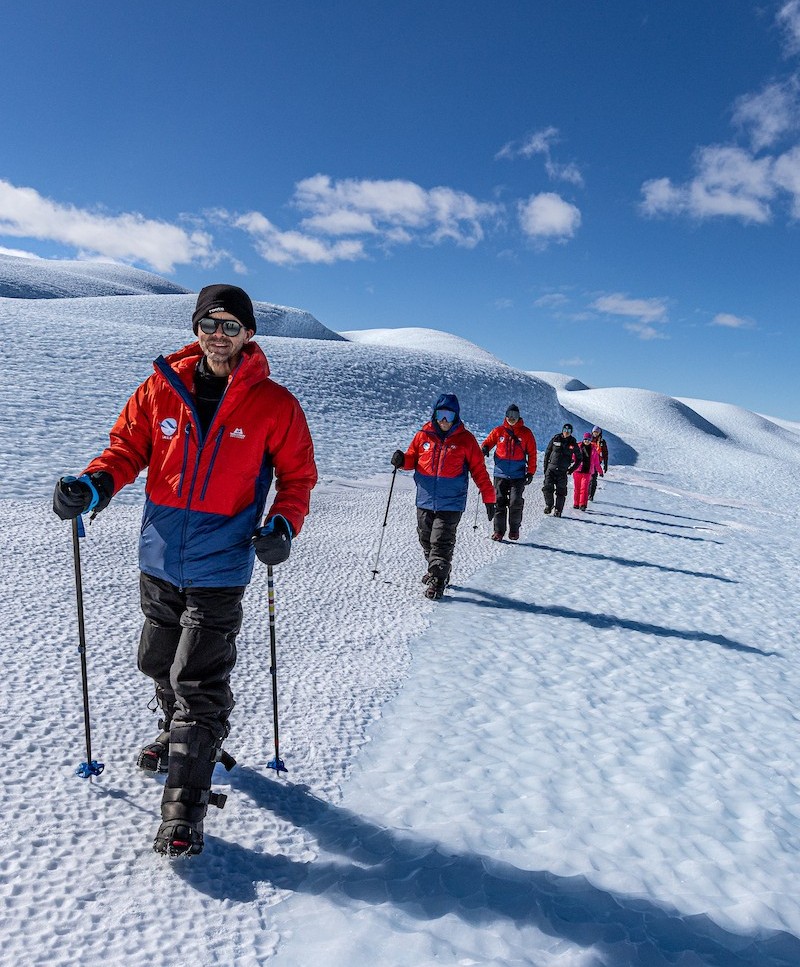
Antarctica is one of the world’s last great wilderness areas, and every visitor plays a role in protecting it. Whether you’re exploring a landing site, visiting a research station, or observing wildlife, responsible travel helps preserve Antarctica’s unique environment for future generations. Visitors are expected to respect wildlife, avoid disturbing sensitive habitats, leave no trace of their visit, support ongoing scientific research, and follow all safety instructions from expedition leaders. Antarctica’s environment is fragile, remote, and highly regulated, making preparation, awareness, and environmental stewardship essential throughout your journey.
Key Principles Include:
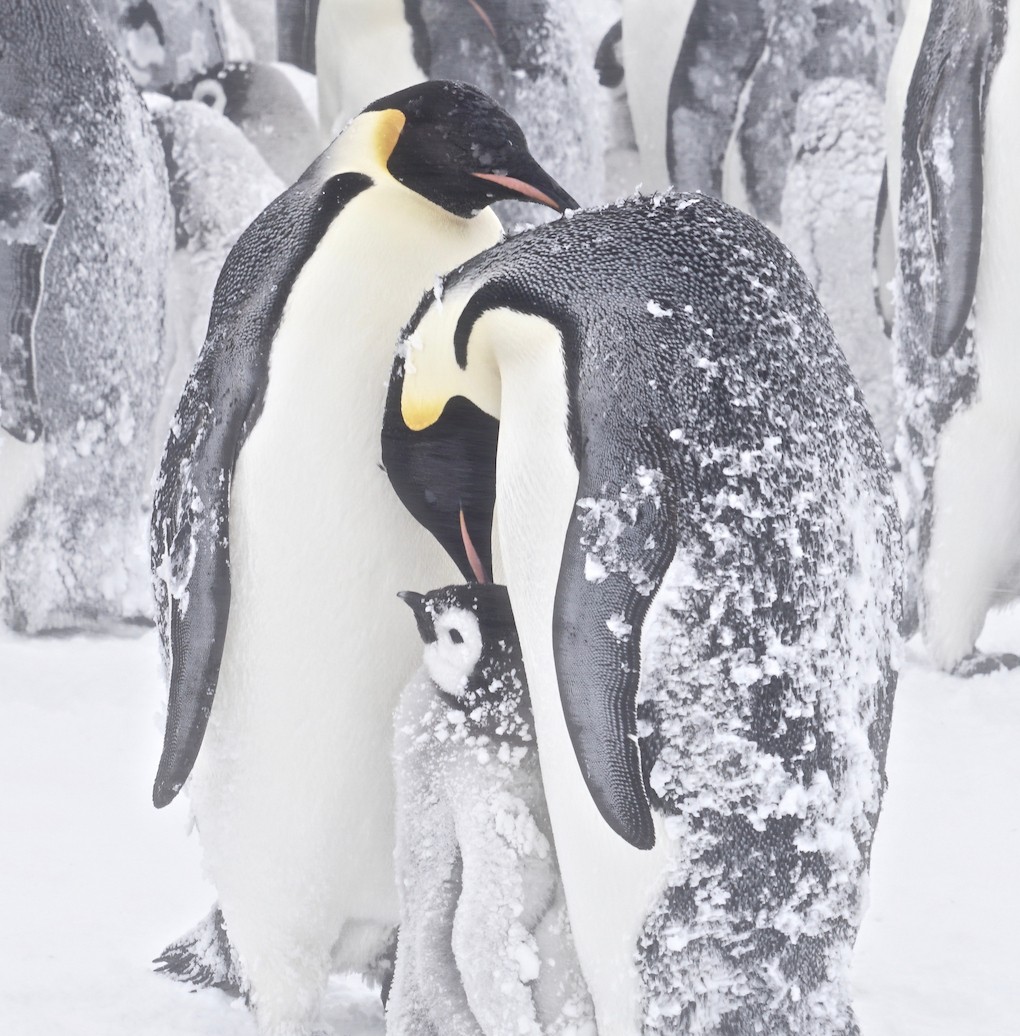
Visiting an emperor penguin colony is one of Antarctica’s most extraordinary wildlife experiences, and careful visitor management helps ensure these iconic birds remain undisturbed. Emperor penguins face increasing environmental pressures, and all visits are designed to minimize impacts on breeding colonies, protect sensitive habitat, and support long-term conservation efforts. Visitors should expect strict biosecurity measures, guided access, and designated viewing distances that prioritize the welfare of the penguins above all else.
When visiting a colony, guests are asked to move slowly and quietly, maintain appropriate distances from wildlife, avoid interfering with penguin travel routes, and follow all instructions from expedition guides. Particular care is taken during sensitive periods such as breeding, chick development, and molting seasons. Visitors also play an important role in preventing the introduction of non-native species and disease through rigorous cleaning and biosecurity practices.
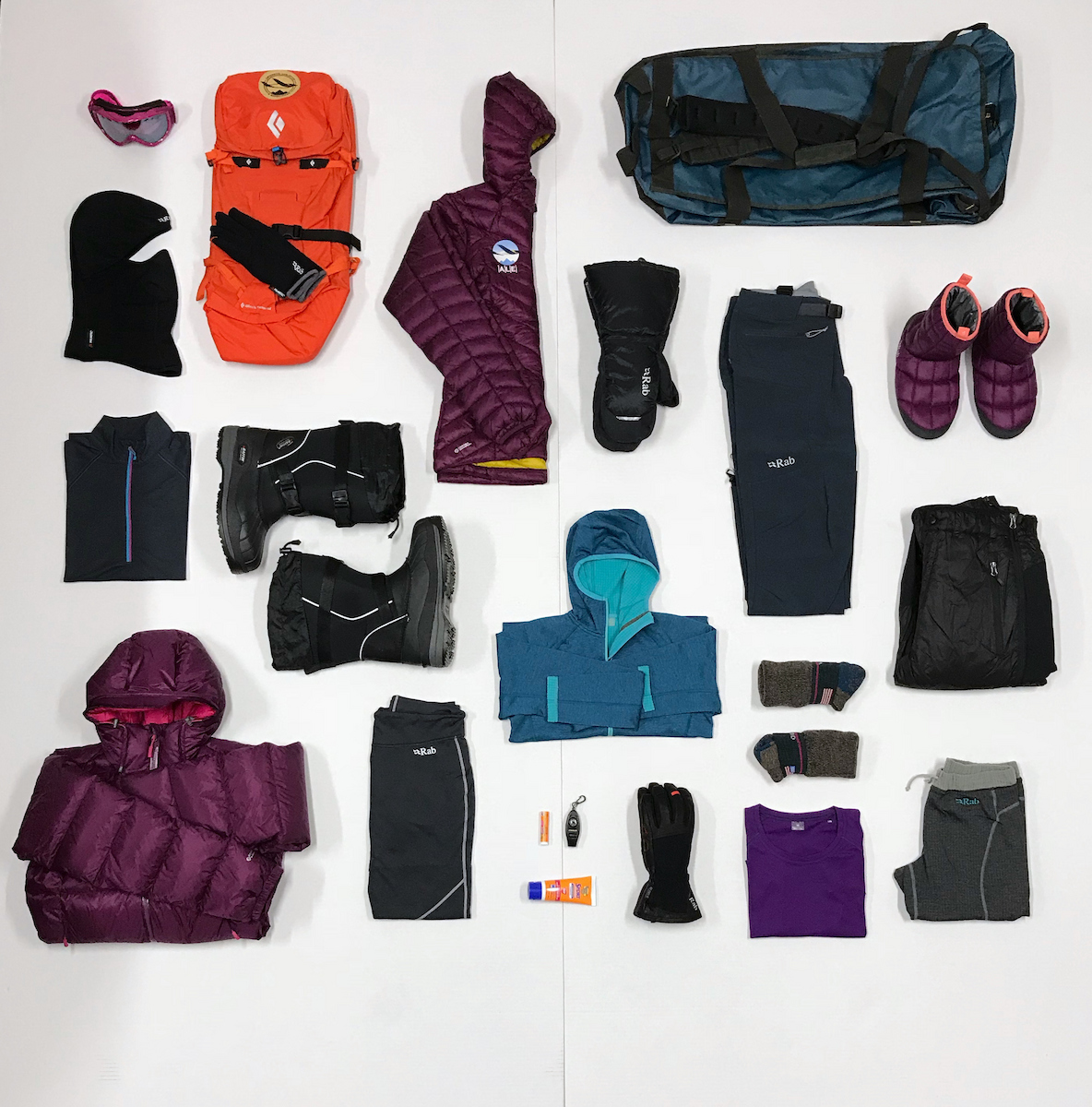
Protecting Antarctica starts before you arrive. The continent’s isolated and fragile ecosystems are highly vulnerable to the accidental introduction of seeds, insects, soil, diseases, and other non-native organisms that can be carried on clothing, footwear, bags, and personal equipment. To help preserve Antarctica’s unique environment and wildlife, all visitors are expected to thoroughly clean and inspect their gear before departure and continue practicing good biosecurity throughout their journey.
Equipment inspections, boot cleaning, and site-to-site decontamination procedures are standard parts of responsible Antarctic travel. Visitors should also take care to avoid spreading organic material between locations, follow expedition team guidance, and ensure that all gear remains clean throughout their visit. These simple but important actions help protect one of the world’s last great wilderness areas for future generations.
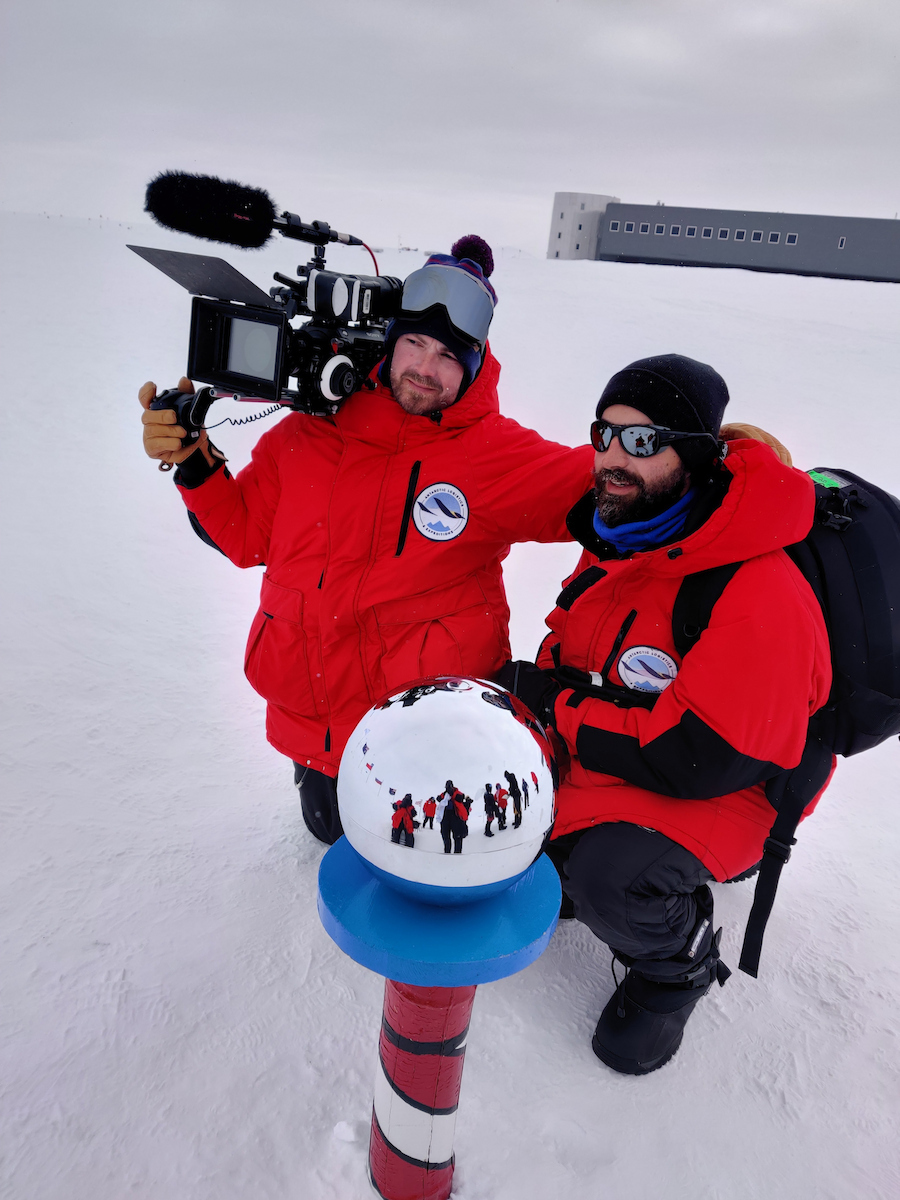
Antarctica offers unparalleled opportunities for filmmakers, photographers, and content creators, but successful productions require careful planning, environmental responsibility, and logistical coordination. ALE supports a wide range of commercial filming projects and works closely with production teams to evaluate project requirements, access needs, transportation, safety considerations, and environmental impacts. Early planning is essential, and production teams are encouraged to share treatments, storyboards, filming objectives, and equipment requirements as early as possible to help ensure feasibility and compliance with Antarctic regulations.
Commercial filming in Antarctica may require permits, special permissions, operational support, or additional coordination depending on the location, activities, and equipment involved. Productions must also respect guest privacy, obtain necessary appearance releases, and follow ALE’s policies regarding filming staff, facilities, aircraft, and other visitors. Drone operations are subject to restrictions and may require additional approvals, while the continent’s limited communications infrastructure can impact data transfer and production workflows. By planning ahead and working closely with ALE, film teams can capture extraordinary Antarctic stories while protecting the environment and maintaining safe operations.
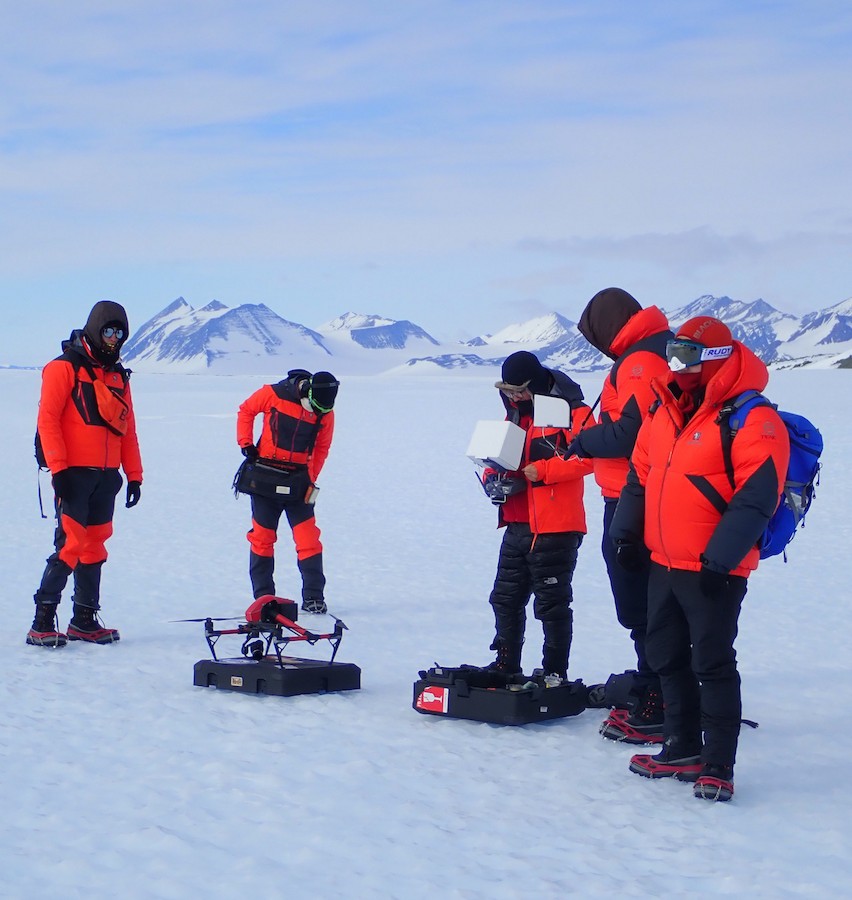
Drones can provide a unique perspective on Antarctica’s vast landscapes, but their use is carefully managed to ensure safety, protect wildlife, and avoid interference with aircraft operations. Because Antarctic camps and travel routes often operate within active aviation environments, all UAV flights must be coordinated with ALE and are subject to operational restrictions, inspections, and approval requirements. Visitors planning to bring a drone should notify ALE well in advance and be prepared to provide information about their equipment and intended flight operations.
Before any UAV can be flown in Antarctica, operators must demonstrate they can safely operate their equipment, complete any required inspections, and obtain clearance from ALE operations before each flight. Drone activities are restricted near wildlife, protected areas, historic sites, aircraft operations, and other sensitive locations. Pilots are also responsible for maintaining visual contact with their UAV at all times, respecting the privacy of other guests and staff, and ensuring any incident or equipment recovery is handled appropriately. These requirements help preserve Antarctica’s environment while maintaining safe operations for everyone on the continent.
One of the most effective ways to protect Antarctica is to reduce the waste generated during your journey. Because all waste must be removed from the continent for disposal elsewhere, minimizing single-use items and preventing litter helps reduce environmental impacts and supports the long-term preservation of this remote wilderness. Visitors are encouraged to travel thoughtfully by choosing reusable products, avoiding unnecessary packaging, securing personal belongings in windy conditions, and making conscious decisions that reduce their overall environmental footprint.
Simple actions can make a meaningful difference. Bringing reusable water bottles, coffee cups, bags, and toiletries can significantly reduce the amount of waste created during your trip. Visitors should also take care to properly dispose of all waste, avoid products that contain plastic fibers or microplastics when possible, and continue sustainable habits after returning home. By embracing the principles of reduce, reuse, and recycle, travelers can help ensure Antarctica remains one of the world’s most pristine environments
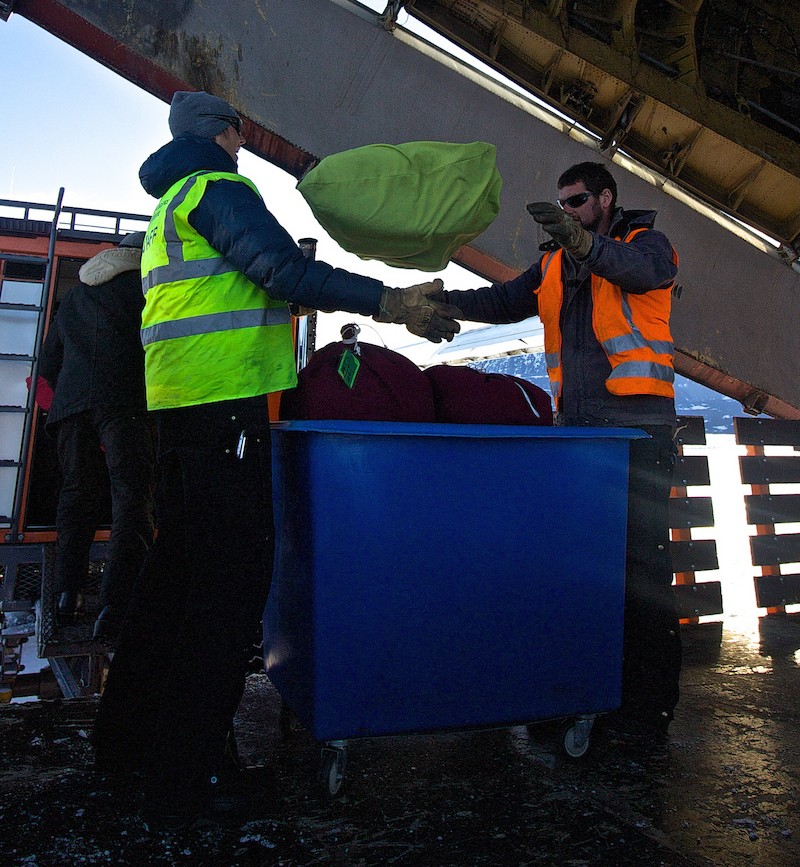
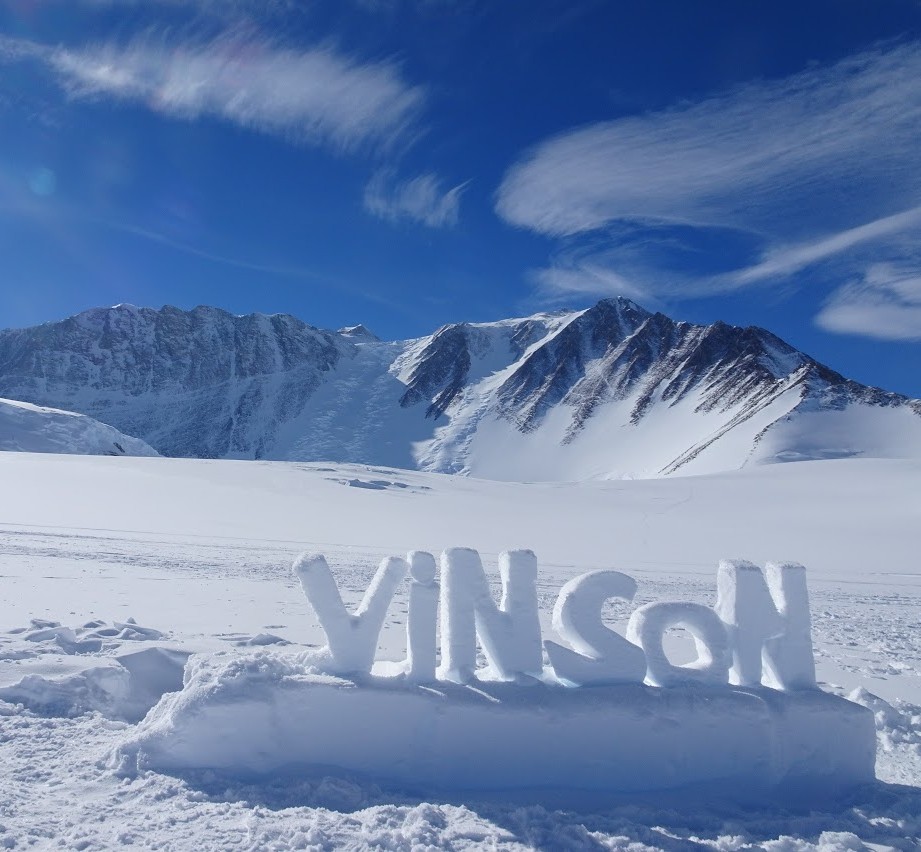
Preserving the pristine environment of Mount Vinson requires every climber and expedition member to follow strict waste management practices. Due to the remote location and sensitive Antarctic environment, all garbage, human waste, and equipment must be carefully managed and removed from the mountain. Visitors are expected to follow designated waste disposal procedures, use approved facilities and equipment, and ensure that no trace of their expedition is left behind.
Effective waste management is a shared responsibility throughout every stage of a Vinson expedition. Climbers must properly separate and dispose of waste, use designated locations for urine and grey water, and pack out all garbage and human waste generated on the mountain. These procedures help protect the Antarctic environment, maintain the integrity of climbing routes and campsites, and ensure Mount Vinson remains one of the world’s most pristine wilderness destinations for future explorers.
Get Exclusive Expedition Insights & Resources