
Conditions in Antarctica change drastically throughout our season and vary depending on your location. At Union Glacier, the climate is very dry and generally sunny but wind chill can impact temperatures greatly with early November being as cold as -22°F (-30°C). Average mid-season temperatures range from -12°F to 30°F (-24°C to -1°C).
To be prepared for all conditions, it is important to have a selection of items you can mix and match. The layering system described below will keep you safe and comfortable in all conditions—it is also the same system utilized by our Antarctic field staff.
You do not need to wear ALL of these layers ALL of the time. Dress for the weather conditions and the activity level you expect to encounter and bring extra layers with you in your backpack in case conditions change.
Base Layer
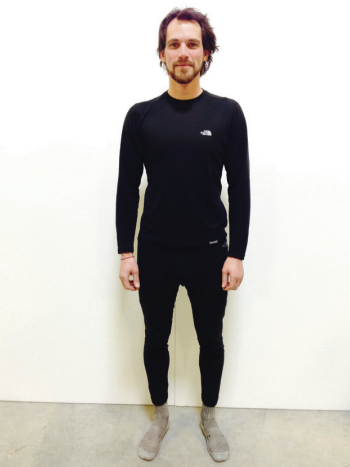
Materials
Polyester, Merino Wool, or Silk but NO COTTON
Examples
Patagonia Capilene or Smartwool
Description
Your first layer consists of a lightweight or midweight longsleeved thermal top and bottom. We recommend materials that wick moisture away from your body like polyester or merino wool. If you cannot wear artificial fibers or wool, silk is an alternate option. Cotton traps moisture and can cause you to chill more rapidly. Zip T-necks are a great option as they allow ventilation. Bring undergarments, sports bras, and/or camisoles in a similar wicking material.
Mid Layer
Materials
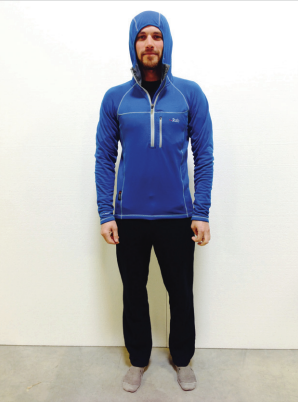
Polyester, Merino Wool, Stretch Fleece, Grid Fleece
Examples
Patagonia R1 Fleece or Rab Power Stretch
Description
Your second layer consists of a long-sleeved heavyweight (expedition weight) base layer top and bottom or lightweight stretch fleece top and bottom. Tops with hoods are great as they seal the neck to keep you warmer.
Optional Additional Layer:
Windshirt A lightweight uncoated nylon windshirt can be worn as an outer layer when it’s not too cold and reduces friction when layering on top of it.
Insulation Layer
Materials
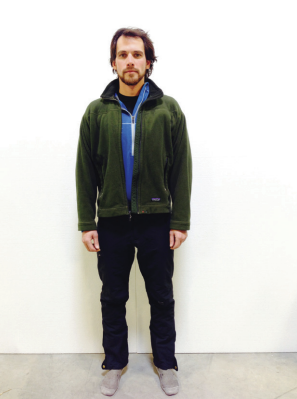
Fleece, Down, or Synthetic Insulation (Primaloft, Thinsulate)
Examples
Patagonia R2 or Nano, Rab Microlight
Description
Your third layer should be a jacket that is thin, light in weight, and provides insulation. You can choose from either a mid to heavyweight fleece, a lightweight down, or a lightweight synthetic insulation. This should be a full-zip jacket but a hood is not essential.
Optional Additional Layer:
VestA fleece, down, or synthetic insulation vest can add insulation without much weight.
Wind Layer
Materials
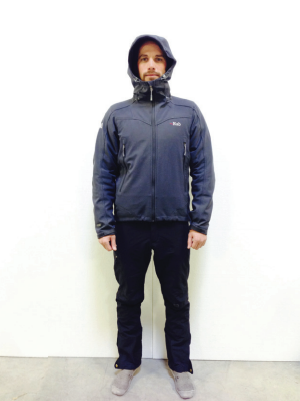
Softshell or Hardshell
Examples
Arc’teryx Gamma MX, Patagonia Galvanized
Description
Your fourth layer should be highly wind-resistant and breathable. We recommend a stretch softshell jacket and pants as softshells tend to be more breathable and more comfortable. However, some climbers prefer waterproof hardshells like Gore-tex, which are sufficient, as long as they include pit zips and side-leg zips for venting. Wind
protection is the most important factor for this layer and the jacket needs to have a hood.
Polar Insulation Layer
Materials
Down or Synthetic Insulation
Examples
Rab Neutrino Pro Jacket, Mountain Hardwear Compressor Pant
Description
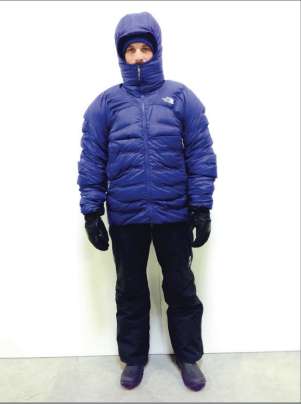
Your outermost layer provides crucial insulation in extreme cold or wind and protection against the worst Antarctic conditions. You will need a hooded down jacket that is large enough to go over all of your other layers. Look for a minimum of 800 fill down and a minimum weight of 28 oz (800 g). It should be long enough to cover your backside. Pants should be down or synthetic insulated with full sidezips. Make sure they are large enough to fit over your other layers.
Head
Item 1:
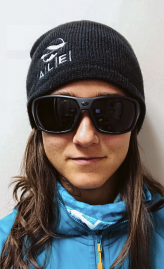
Hat or Beanie that Covers Ears
Materials:
Wool or Fleece

Item 2:
Wide brim sun hat, baseball hat, or trucker hat
Item 3:
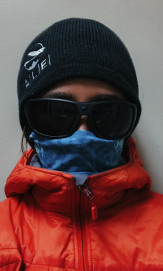
Neck Gaiter or Buff
Materials:
Fleece or Polyester Microfiber
Item 4:
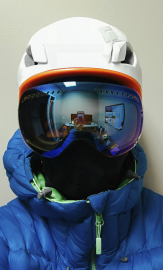
Balaclava or Face Mask
Materials:
Power Stretch Fleece or Windstopper
The face is especially vulnerable to cold injury and complete face protection is essential. Try combinations of balaclava, face mask, hat, and goggles together to ensure that there are no gaps—often a crescent shape between the edge of the goggle and a face mask or balaclava is hard to cover. You must be able to breathe freely and moisture from your breath must be able to escape (so that goggles do not fog).
Eyes
Quality eyewear is essential to prevent snow blindness. Sunglasses or goggles must be worn at all times outside.
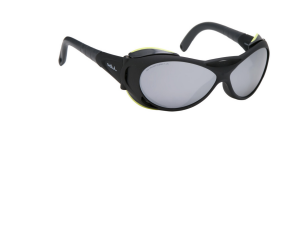
Sunglasses and Hard Case
Materials
Non-metal frames with 100% UV protection
Examples
Julbo, Smith, Oakley
Description
Your sunglasses should have dark colored lenses and full side coverage. Look for sunglasses with side-flaps (mountaineering
or glacier glasses) or sport sunglasses with big lenses, wide sides, and a contoured shape that prevents light from
entering at the sides. Non wraparound sunglasses provide little or no protection from peripherally focused UV radiation. Avoid metal frames as they can freeze to your skin and bring a hard case to protect your sunglasses in your luggage.
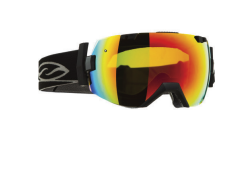
Goggles
Materials
100% UV Protection
Examples
Julbo, Oakley, Smith
Description
Quality goggles are necessary for very cold or stormy conditions. You will need at least two pairs of goggles. Make sure each pair has a different lens tint (one for low light conditions and one with a dark lens for sunny days) or bring two identical goggle frames that use the same interchangeable lenses. Keep in mind light conditions can change quickly when climbing and it can be difficult to change lenses with gloves on. Dark or mirrored lenses are best for bright light and reduce eye strain. Gold or amber colored lenses increase contrast and are good for overcast or flat light conditions. Look for a goggle with double lenses or a coating to help prevent fogging. If you wear prescription glasses, check to make sure your goggles fit over them comfortably.
Hands
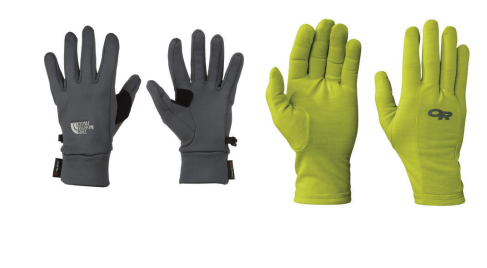
Liner Gloves
Materials
Polyester, Merino Wool, Silk, Power Stretch Fleece
Examples
Seirus, Outdoor Research, Icebreaker, The North Face
Description
Liner gloves can be layered under other gloves or mittens for additional warmth. They also protect you if you need to take off an outer glove or mitten in cold temperatures. Having two pairs allows you to switch out liners as they become damp. We do not recommend Windstopper as the membrane in Windstopper gloves makes them slow to dry out.
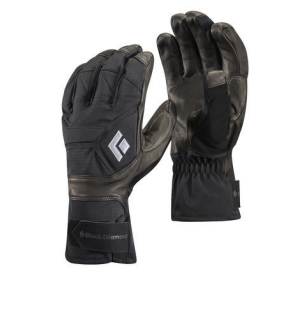
Midweight Insulated Mixed Climbing Gloves
Materials
Waterproof Breathable Outer with Built-in Insulation
Examples
Black Diamond Punisher Glove
Description
Look for a midweight waterproof breathable glove that has either fixed synthetic insulation or fleece lining. This glove should have good dexterity and allow you to use ice axes, karabiners, and ascenders easily
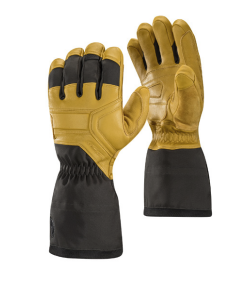
Heavyweight Insulated Snow Gloves
Materials
Waterproof Breathable Outer with Insulation
Examples
Black Diamond Guide Gloves
Description
Next you will need a heavily insulated snow glove. We highly recommend the Black Diamond Guide Glove as it is the warmest glove that still offers the necessary dexterity for alpine climbing. We recommend you bring gloves with wrist loops attached as many people have taken off an outer glove to take a photo and lost it in the wind.
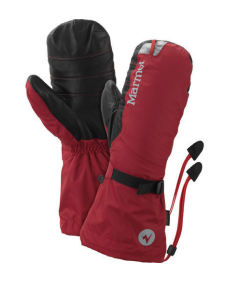
Oversized Thick Insulated Mittens
Materials
Down or Synthetic Insulation
Examples
Marmot 8000 Meter Mitt, Black Diamond Absolute Mitt, Outdoor Research Alti Mitts
Description
Like your outer jacket and pants, these down or synthetic insulated mittens are your ultimate protection against the coldest Antarctic conditions. Mittens will keep your hands warmer than gloves but can make taking photos challenging. You should be able to wear two pairs of liner gloves under your mittens so your hands will be protected if you to take off a mitten for photography. Make sure your mittens have wrist loops to keep them attached to you if you take them off in high wind
Feet
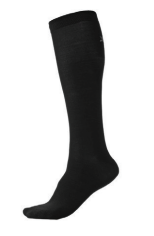
Thin Liner Socks
Materials
Wool, Polyester, or Silk – NO COTTON
Examples
Smartwool, Bridgedale, Torlo, Darn Tough
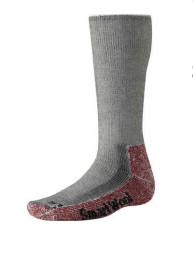
Thick Heavyweight Socks
Materials
Wool, Wool Blend Socks
Examples
Smartwool, Bridgedale, Torlo, Darn Tough
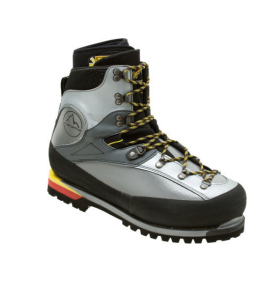
Plastic Mountaineering Double Boots With Custom Liner
Materials
Plastic exterior with heat-moldable foam liners
Examples
La Sportiva Baruntse, Spantik, or G2 SM, Scarpa Phantom 6000
Description
You will need durable plastic mountaineering double boots as the Heritage Range has a lot of broken rock as well as snow and ice. If you already own plastic boots, we recommend replacing the inners with good quality custom foam liners
like the Intuition or Palau which will significantly improve their fit and warmth. Single leather boots are not warm enough but expedition boots like the La Sportiva Olympus Mons EVO are overkill.
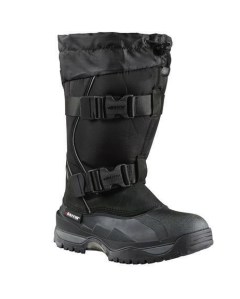
FOR CAMP: -100°F (-73°C) Rated Snow
Boots with Removable Liners
Materials
Waterproof outer and removable insulated liner
Examples
Sorel Glacier XT, Baffin Impact or Endurance
Description
You will need boots that are very comfortable and very well insulated. We strongly recommend that you buy boots rated down to -100°F (-73°C) as -40°F (-40°C) boots are often not warm enough. Make sure your boots fit with two pairs of socks—one liner sock and one heavyweight sock. The boots should have built in gaiters and removable liners which can be taken out at night to dry.
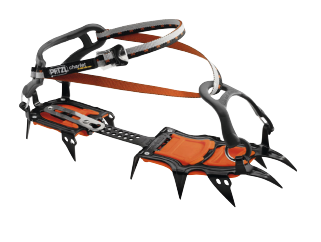
Alpine Crampons
Materials
Steel—NO ALUMINUM
Examples
Petzl Vasak, Grivel G12
Description
You will need a set of steel mountaineering crampons. Be sure to fit your crampons to your boots and ensure they are the correct size before leaving home. You can use either step-in or strap style crampons but they must be steel. Aluminum crampons are not strong enough.
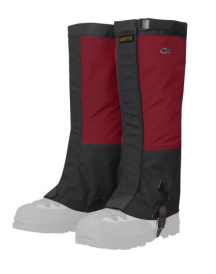
Gaiters
Materials
Gore-Tex
Examples
Outdoor Research Crocodiles Gaiter, Black Diamond Apex Gaiter
Description
Traditional gaiters when paired with plastic double boots are ideal for the climbing conditions you’ll encounter in the Heritage Range.
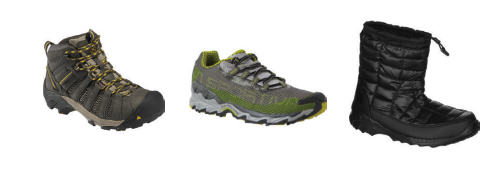
Optional Footwear
Hiking Boots, Running Shoes, and/or Insulated Booties
It’s nice to be able to take your polar boots off around camp. and in your tent. You can also wear hiking and running shoes for activities around Union Glacier on warmer days.
Luggage
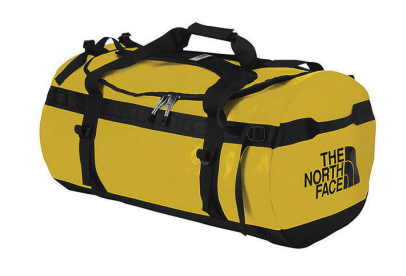
Large or XL Duffel Bag (120-150 liter)
Materials
Durable PU or Ballistic Nylon
Examples
The North Face Base Camp Duffel—XL or Patagonia Black Hole 120 Duffel Bag
Description
We recommend using an oversized duffel bag for your checked bag on your Antarctic flight. Make sure it is made of a durable material to withstand international travel and handling on snow and ice. Look for a bag with a full zipper and multiple haul handles
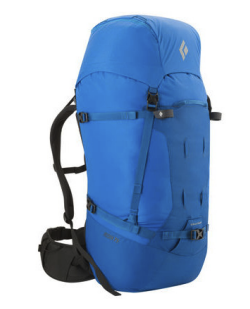
Lightweight Expedition Pack (70-80 liter)
Description
Look for a pack that is 4.5 lb (2 kg) or less in weight. We recommend packs of at least 70 L (4500 cu in).
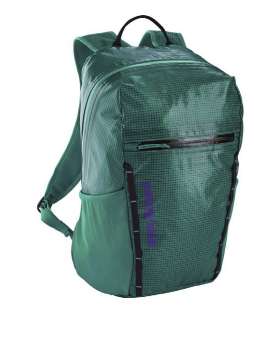
Carry-on Backpack 18” x 16” x 10” (46cm x 41cm x 26cm)
Examples
Patagonia Lightweight Black Hole Pack 26L, Osprey Ozone Daypack 24L
Description
All passengers are limited to one carry-on bag sized to fit under an airplane seat for the Antarctic flight. We recommend putting all of your essential items in a carry-on backpack that you can also use for daily excursions while in Antarctica.
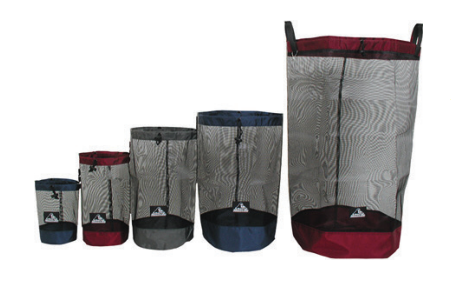
Stuff Sacks
Materials
Mesh or Nylon
Description
It’s easiest to organize your clothing in your bag and tent if you have color-coded stuff sacks.
Equipment
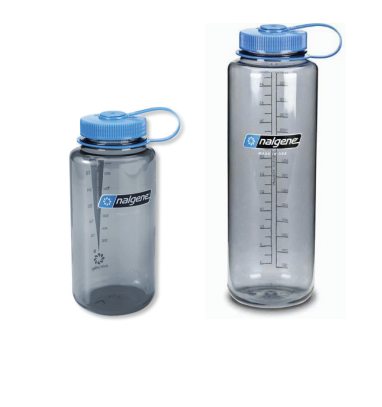
Pee Bottle(s)
Examples
Nalgene 32 oz or Nalgene 48 oz Wide Mouth Water Bottle(s)
Description
All human waste is removed from Union Glacier and all urine or ‘pee’ generated in the field must be deposited only in marked pee holes at base camps. This means you will need your own container to urinate in when you are not within reach of a toilet facility or a marked pee hole. We recommend a wide mouth water bottle that is clearly marked for pee only. We recommend practicing with your pee bottle at home so you can be comfortable using it when you get to Antarctica. Females may also find a pee funnel (Freshette, SheWee, Go-Girl) helpful. At Union Glacier Camp, our staff will show you the container where you empty pee bottles behind the toilet facility. While on expedition in the Heritage Range or elsewhere in the Southern Ellsworth Mountains, you will empty pee bottles in marked pee holes at your base camp.
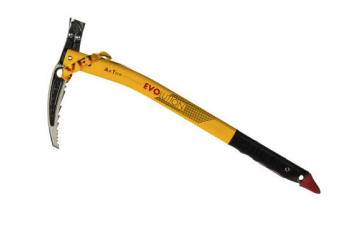
Mountaineering Ice Axe OR Pair of Short Technical Tools
Description
Requirements depend on your preferred aims. A long walking axe is desirable for long ridge traverses and classical alpinism. If you prefer to climb some steep lines, then bring a pair of shorter technical tools. Please contact us if you have questions about any of the technical climbing equipment on this checklist.